
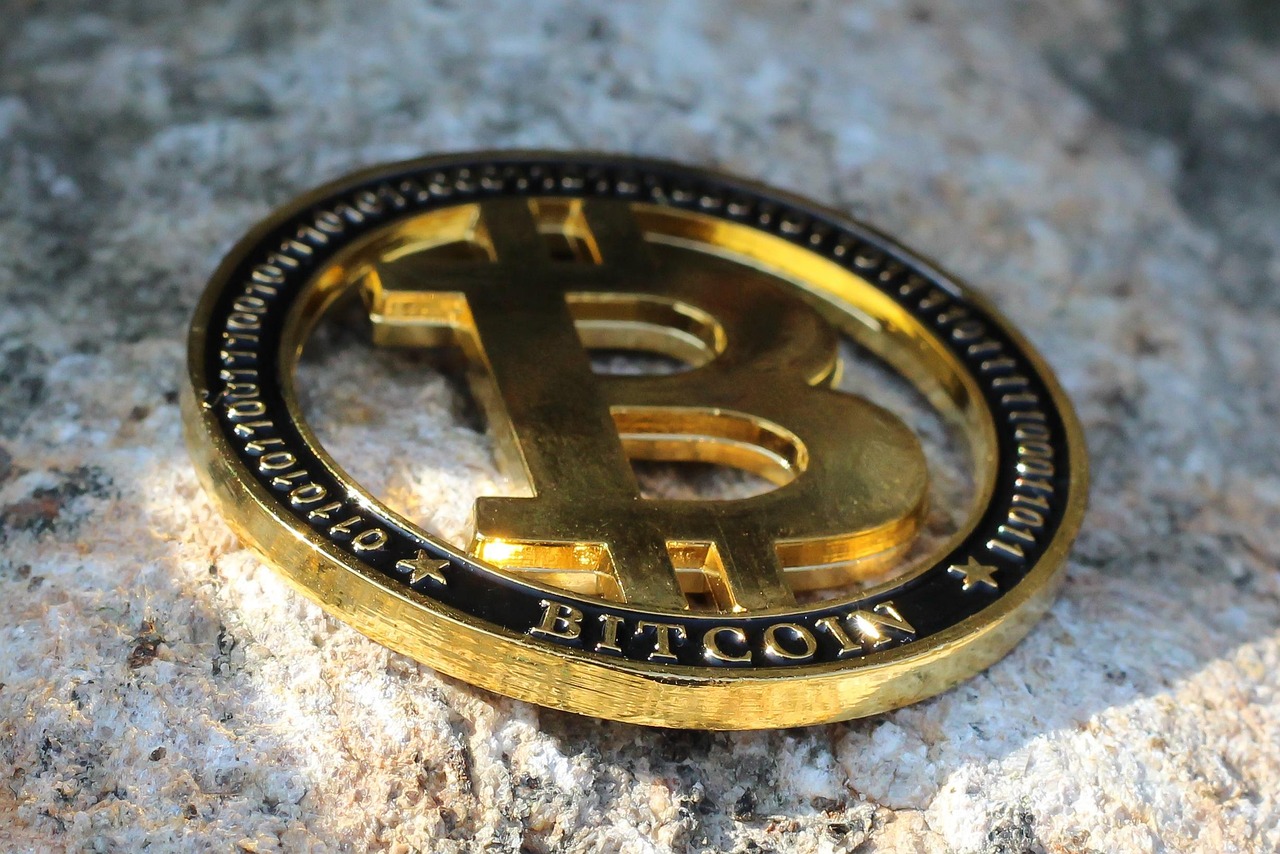
The digital frontier is expanding at an unprecedented pace, giving rise to a new class of assets that are reshaping our understanding of value, ownership, and economics. Once confined to niche tech circles, virtual assets have burst into the mainstream consciousness, challenging traditional financial systems and sparking innovation across industries. From the cryptocurrencies powering global transactions to the unique digital collectibles known as NFTs, and the immersive worlds of the metaverse, these intangible assets are more than just digital curiosities; they represent a fundamental shift in how we create, exchange, and store value in the 21st century. Understanding this evolving landscape is no longer optional but essential for individuals, businesses, and investors looking to navigate the future digital economy.
Understanding Virtual Assets: A New Frontier of Value
Virtual assets are at the forefront of a technological revolution, fundamentally changing how we perceive and interact with value. They are digital representations of value that can be traded or transferred digitally and can be used for payment or investment purposes.
What Exactly Are Virtual Assets?
At their core, virtual assets are intangible assets that exist only in digital form. Unlike physical assets like gold or real estate, or even traditional digital assets like a bank account balance (which is a digital representation of fiat currency), virtual assets often derive their value from cryptographic security, network effects, and decentralized consensus mechanisms. Key characteristics include:
- Digital Native: They originate and exist solely in digital environments.
- Intangible: They lack physical form but hold real-world value.
- Programmable: Many virtual assets leverage smart contracts, allowing for automated, self-executing agreements.
- Often Decentralized: A significant portion operate on decentralized networks (like blockchain), reducing reliance on central authorities.
- Secure: Cryptographic techniques protect transactions and ownership, making them resistant to fraud.
Think of it as digital property that can be owned, transferred, and sometimes even physically experienced in virtual spaces. This paradigm shift from centralized control to distributed ownership is one of their most powerful aspects.
The Underlying Technologies
The innovation underpinning most virtual assets is blockchain technology and other Distributed Ledger Technologies (DLTs). These technologies provide a secure, transparent, and immutable record of transactions. Here’s how they work:
- Blockchain: A decentralized, distributed ledger that records transactions across many computers. Each “block” contains a timestamped batch of valid transactions, and once recorded, the data cannot be altered. This immutability is crucial for verifying ownership of virtual assets.
- Smart Contracts: Self-executing contracts with the terms of the agreement directly written into lines of code. They automatically execute when specific conditions are met, facilitating trustless transactions for virtual assets like NFTs or DeFi protocols.
Actionable Takeaway: To truly grasp the potential and risks of virtual assets, it’s vital to have a foundational understanding of blockchain and DLTs. Explore beginner-friendly resources on how these technologies enable secure digital ownership and transfer.
Diverse Categories of Virtual Assets
The world of virtual assets is incredibly diverse, encompassing various forms each with unique characteristics and use cases. Understanding these categories is key to navigating the digital economy.
Cryptocurrencies and Digital Currencies
Perhaps the most recognized form of virtual assets, cryptocurrencies are digital or virtual currencies secured by cryptography, making them nearly impossible to counterfeit or double-spend. They function as a medium of exchange, a store of value, and sometimes a unit of account.
- Bitcoin (BTC): The first and largest cryptocurrency, often called “digital gold” due to its fixed supply and use as a store of value. It enables peer-to-peer electronic cash transactions without intermediaries.
- Ethereum (ETH): Beyond a currency, Ethereum is a decentralized platform that runs smart contracts and powers thousands of other decentralized applications (dApps) and virtual assets. Its native token, ETH, is used to pay for transaction fees and computational services on the network.
- Stablecoins: Cryptocurrencies designed to minimize price volatility, typically by being pegged to a “stable” asset like the U.S. dollar (e.g., Tether, USDC) or a commodity. They offer the benefits of crypto without the extreme price swings.
Example: A global freelancer can receive payment in a stablecoin like USDC from a client in another country, avoiding high bank transfer fees and slow processing times, then convert it to their local fiat currency or hold it as a hedge against inflation.
Non-Fungible Tokens (NFTs)
NFTs are unique digital identifiers recorded on a blockchain and used to certify ownership of a digital asset or physical asset. Unlike cryptocurrencies, which are “fungible” (one Bitcoin is interchangeable with another), NFTs are “non-fungible,” meaning each one is unique and cannot be replaced by another identical item.
- Digital Art and Collectibles: Early forms included CryptoPunks and Bored Ape Yacht Club, digital profile pictures (PFPs) that grant access to exclusive communities.
- Music and Media: Musicians are tokenizing their songs or albums, allowing fans to own a piece of their work directly.
- In-game Items: Players can truly own rare swords, skins, or characters in blockchain-based games, and even trade them on open marketplaces.
- Event Tickets: NFTs can serve as verifiable, immutable tickets, reducing fraud and enabling secondary market control.
Example: An artist creates a digital painting and mints it as an NFT on the Ethereum blockchain. When someone purchases the NFT, they gain verifiable ownership of that unique digital artwork, recorded immutably on the public ledger.
Virtual Real Estate and Metaverse Assets
As the concept of the metaverse gains traction, virtual land and other in-world assets are emerging as a significant category of virtual assets. These are digital plots of land, buildings, avatars, and wearables within immersive virtual worlds.
- Virtual Land Parcels: Platforms like Decentraland, The Sandbox, and Somnium Space allow users to buy, sell, and develop digital land, often as NFTs. This land can be used for hosting events, building games, or displaying digital art.
- Avatars and Wearables: Users customize their digital identities with unique avatars and virtual clothing, often purchased as NFTs, which can be scarce and valuable.
Example: A company might purchase a plot of virtual land in The Sandbox, build a virtual store on it, and host product launches or interactive experiences for customers’ avatars, much like a physical pop-up shop.
Other Emerging Virtual Assets
The innovation doesn’t stop there. Other categories include:
- Security Tokens: Digital representations of traditional assets like stocks, bonds, or real estate, offering improved liquidity and fractional ownership.
- Utility Tokens: Granting access to a specific product or service within a blockchain ecosystem (e.g., Filecoin for storage, Basic Attention Token for advertising).
- Fan Tokens: Allowing sports clubs or entertainment brands to engage with fans, offering voting rights or exclusive content (e.g., Socios.com).
Actionable Takeaway: Research different virtual asset categories that align with your interests or investment goals. Each offers unique opportunities and risks; understanding their specific value propositions is crucial.
The Economic Impact and Opportunities
Virtual assets are not just technological novelties; they are powerful economic instruments driving new forms of value creation, investment, and financial inclusion.
Reshaping Digital Ownership
One of the most profound impacts of virtual assets, particularly NFTs, is the revolution in digital ownership. For the first time, individuals can truly own unique digital items in a verifiable and immutable way, without relying on a central authority.
- Verifiable Provenance: The blockchain records the entire history of an asset, from its creation to every subsequent transfer, ensuring authenticity.
- Empowering Creators: Artists, musicians, and game developers can directly monetize their digital creations, often receiving royalties on secondary sales.
- User Empowerment: Users gain control over their digital identities, assets, and data, moving away from platform-centric models.
Example: A digital artist mints an NFT. Every time that NFT is resold on a secondary market, a pre-programmed smart contract automatically sends a percentage of the sale price back to the original artist, creating a continuous revenue stream.
Investment Potential and Market Dynamics
The virtual asset market has experienced explosive growth, attracting significant investor interest. In 2021 alone, the total cryptocurrency market capitalization briefly surpassed $3 trillion, and NFT sales volume reached approximately $25 billion, demonstrating substantial market activity.
- High Growth Potential: Early investors in foundational virtual assets like Bitcoin and Ethereum have seen substantial returns.
- Portfolio Diversification: For some, virtual assets offer a way to diversify traditional investment portfolios, though they come with distinct risk profiles.
- Market Volatility: The virtual asset market is notoriously volatile, with prices fluctuating rapidly based on news, sentiment, and broader economic factors.
Example: An investor allocates a small portion of their portfolio to a diversified basket of virtual assets, aiming to capitalize on the long-term growth of the digital economy, while acknowledging the inherent risks associated with high volatility.
Decentralized Finance (DeFi) and Beyond
DeFi is an umbrella term for financial applications built on blockchain technology, primarily Ethereum. It aims to recreate traditional financial services in a decentralized, transparent, and permissionless manner.
- Lending and Borrowing: Users can lend their virtual assets to earn interest or borrow against their holdings without traditional banks.
- Staking and Yield Farming: Participants can “stake” their virtual assets to support network operations and earn rewards, or engage in “yield farming” to maximize returns across various DeFi protocols.
- Automated Market Makers (AMMs): Decentralized exchanges (DEXs) like Uniswap allow users to trade virtual assets directly from their wallets, facilitated by liquidity pools rather than order books.
Example: Instead of depositing money in a bank savings account, an individual can deposit stablecoins into a DeFi lending protocol like Aave, earning significantly higher interest rates, which are paid directly by borrowers through smart contracts.
Actionable Takeaway: Before investing, conduct thorough due diligence, research market trends, and consider consulting a financial advisor familiar with virtual assets. Start with small amounts you’re comfortable losing, given the market’s nascent stage and volatility.
Navigating the Challenges and Risks
While the opportunities presented by virtual assets are immense, it’s crucial to acknowledge and understand the significant challenges and risks associated with this nascent and rapidly evolving space.
Volatility and Market Manipulation
The virtual asset market is known for its extreme price fluctuations, which can lead to substantial gains but also significant losses. Several factors contribute to this volatility:
- Speculative Trading: A large portion of trading is driven by speculation rather than fundamental value, making assets susceptible to “pump and dump” schemes.
- News and Sentiment: Market prices can be heavily influenced by regulatory news, major announcements, and even social media trends.
- Liquidity Issues: Some smaller virtual assets may have low liquidity, making large buy or sell orders significantly impact the price.
Example: A new meme coin experiences a 1000% price surge within days due to social media hype, only to crash by 90% a week later, leaving many late investors with substantial losses.
Security Concerns and Cyber Threats
The decentralized nature of many virtual assets places a high degree of responsibility on individual users for their security. This makes them targets for sophisticated cyberattacks.
- Hacking of Exchanges: Centralized exchanges holding virtual assets are attractive targets for hackers, leading to billions of dollars in stolen funds over the years.
- Phishing and Scams: Malicious actors often use sophisticated phishing techniques to trick users into revealing their private keys or wallet seed phrases, which grant complete access to their funds.
- Private Key Management: Losing access to your private key or seed phrase means permanently losing access to your virtual assets, as there’s no central authority to recover them.
- Smart Contract Vulnerabilities: Flaws in smart contract code can be exploited by hackers, leading to the loss of funds locked in DeFi protocols.
Example: A user clicks on a malicious link disguised as an official crypto wallet update, unknowingly installing malware that steals their private keys and empties their wallet.
Regulatory Landscape and Legal Uncertainty
The regulatory framework for virtual assets is still developing globally, leading to a patchwork of laws and significant legal uncertainty in many jurisdictions.
- Varying Definitions: Different countries classify virtual assets differently (e.g., property, commodity, security, currency), which impacts how they are taxed and regulated.
- Consumer Protection: The lack of comprehensive regulation means consumers may have fewer protections compared to traditional financial markets.
- Anti-Money Laundering (AML) and Counter-Terrorism Financing (CTF): Regulators are increasingly focusing on these aspects, requiring virtual asset service providers (VASPs) to implement stricter compliance measures.
- Tax Implications: Calculating and reporting taxes on virtual asset transactions can be complex due to the varying nature of gains, losses, and asset types.
Example: An investor in one country may be liable for capital gains tax on virtual asset profits, while in another, certain virtual assets might be treated as income, leading to different tax obligations and reporting requirements.
Actionable Takeaway: Prioritize security by using hardware wallets for significant holdings, enabling two-factor authentication, and being extremely cautious of unsolicited links or messages. Understand the regulatory environment and tax obligations in your jurisdiction, and never invest more than you can afford to lose.
The Future of Virtual Assets
The journey of virtual assets is far from over. As technology matures and adoption grows, we can anticipate a future where these digital instruments play an even more integral role in our daily lives and global economy.
Mainstream Adoption and Integration
Virtual assets are steadily moving from the periphery to the mainstream. This trend is likely to accelerate as more institutions, corporations, and governments embrace their potential.
- Institutional Involvement: Major financial institutions are increasingly offering virtual asset investment products, custody services, and even integrating blockchain into their operations.
- Payment Integrations: More merchants and payment processors are accepting cryptocurrencies, simplifying transactions and reducing barriers to entry for everyday users.
- Bridging Physical and Digital: The concept of “phygital” assets, where NFTs are linked to physical items, will blur the lines between the tangible and intangible, enhancing authenticity and supply chain management.
Example: A major luxury brand issues an NFT alongside a physical handbag, where the NFT acts as a digital certificate of authenticity and ownership, accessible globally and verifiable on the blockchain.
Technological Advancements
The underlying technologies of virtual assets are continuously evolving, addressing current limitations and unlocking new possibilities.
- Scalability Solutions (Layer 2): Innovations like rollups and sidechains are making blockchain networks faster and cheaper, improving user experience for widespread adoption.
- Interoperability: Projects focusing on enabling different blockchains to communicate and exchange assets seamlessly will create a more connected and efficient digital ecosystem.
- User Experience (UX) Improvements: Wallets and dApps are becoming more intuitive and user-friendly, lowering the technical barrier for new participants.
Example: With improved scalability, micro-transactions for in-game NFT items or metaverse interactions become instantaneous and nearly free, enhancing the user experience significantly.
Evolution of Digital Identity and Governance
Virtual assets are also paving the way for revolutionary concepts in digital identity and decentralized governance.
- Self-Sovereign Identity (SSI): Users will have more control over their digital identities, verifiable credentials, and personal data, rather than relying on centralized entities.
- Decentralized Autonomous Organizations (DAOs): These organizations, governed by code and virtual asset holders, are emerging as a new model for collective decision-making, from managing DeFi protocols to funding community projects.
- Data Monetization: Individuals may gain more control and even monetize their own data, using virtual assets as a mechanism for fair compensation.
Actionable Takeaway: Stay informed about the latest developments through reputable news sources and educational platforms. Consider exploring how virtual asset technology might impact your own industry or personal finances in the coming years, positioning yourself for future opportunities.
Conclusion
Virtual assets represent a transformative paradigm shift, fundamentally altering our relationship with value, ownership, and the digital realm. From the foundational innovation of cryptocurrencies and the unique provenance of NFTs to the immersive potential of metaverse assets and the financial inclusion offered by DeFi, these intangible assets are rapidly carving out their place in the global economy. While the journey is fraught with challenges—including volatility, security risks, and an evolving regulatory landscape—the underlying technologies and the relentless pace of innovation suggest that virtual assets are here to stay. Embracing a proactive approach to understanding, engaging with, and securing these digital frontiers is crucial for anyone looking to thrive in an increasingly digitized world. The future of finance and ownership is undeniably digital, and virtual assets are leading the charge into this exciting new era.