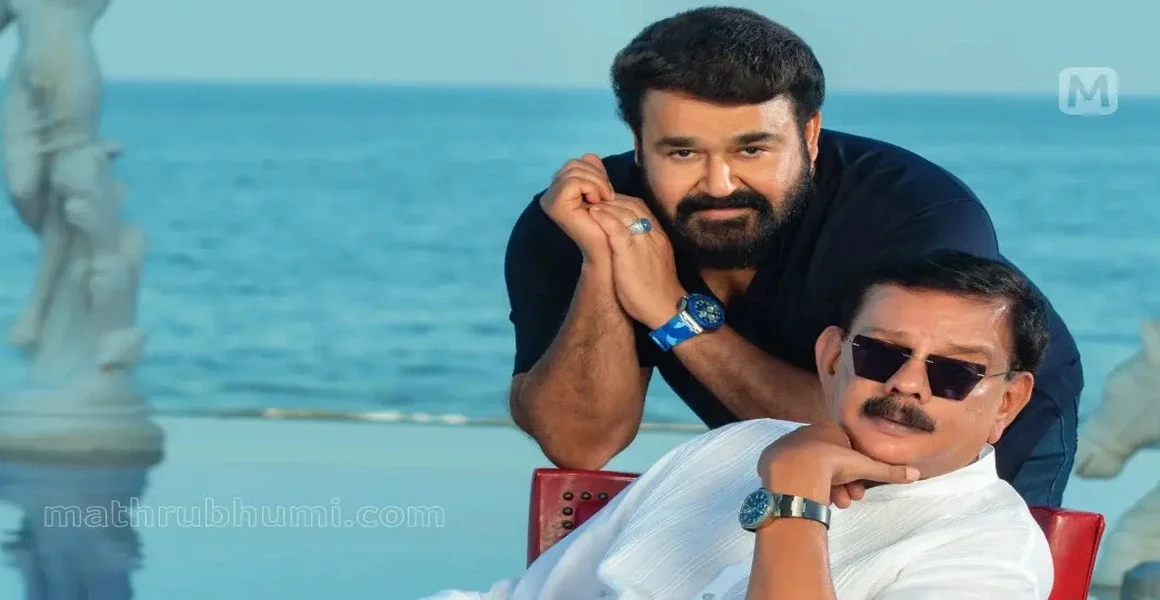

In a world captivated by glitz, glamour, and the larger-than-life personas of our favorite stars, celebrity interviews offer a unique window into the minds and lives of those we admire. Far more than just promotional soundbites, these conversations are a fascinating blend of art, journalism, and entertainment, shaping public perception, driving cultural narratives, and forging deeper connections between icons and their global audience. From the intimate revelations of a magazine profile to the spontaneous wit of a late-night show, celebrity interviews remain a cornerstone of modern media, providing the much-desired peek behind the curtain.
The Enduring Allure of Celebrity Interviews
The magnetic pull of celebrity interviews lies in their ability to bridge the gap between the aspirational world of fame and the relatable experiences of everyday life. They satisfy a fundamental human curiosity, offering insights that transcend mere fan appreciation.
A Glimpse Behind the Persona
Fans and the public alike are constantly seeking to understand the ‘real’ person behind the roles and public image. Interviews provide that opportunity, often revealing unexpected facets of a star’s personality, struggles, and triumphs.
- Humanizing Figures: Learning about a celebrity’s hobbies, anxieties, or parenting challenges makes them more relatable and less monolithic.
- Understanding Motivations: Interviews often delve into why a celebrity chose a particular role, supported a cause, or made a specific life decision, offering context to their public actions.
- Authenticity Over Image: In an age of curated social media, a genuine, unscripted moment in an interview can resonate profoundly with audiences, building trust and loyalty.
Actionable Takeaway: For interviewers, focus on questions that probe personal experiences and reflections rather than just surface-level promotional material to uncover these authentic moments.
Driving Cultural Conversations
Celebrity interviews are not just about individual stars; they frequently become catalysts for wider societal discussions. A powerful interview can spark debates, raise awareness, or even shift public opinion on important issues.
- Social Impact: When a celebrity shares their experience with mental health, addiction, or social injustice, it often destigmatizes these topics and encourages broader dialogue.
- Trendsetting: Discussions about new projects, fashion choices, or lifestyle preferences in an interview can influence trends in entertainment, culture, and commerce.
- Shaping Narratives: A well-conducted interview can reframe public narratives around a celebrity, correcting misconceptions or amplifying their chosen message.
Example: Oprah Winfrey’s interviews have historically been masterful at bringing personal stories into the public sphere, often with significant social and cultural impact, such as her dialogues on race, trauma, and resilience.
Actionable Takeaway: When crafting an interview, consider its potential beyond individual entertainment – how can this conversation contribute to or reflect current cultural shifts?
The Art of the Interviewer: Crafting Compelling Narratives
Behind every captivating celebrity interview is a skilled interviewer who understands that their role is not just to ask questions, but to facilitate a conversation that uncovers depth, personality, and genuine insight. It’s a delicate dance of preparation, empathy, and strategic inquiry.
Thorough Preparation is Key
The foundation of a great interview is meticulous research. Knowing your subject’s background, past work, previous interviews, and current projects is paramount.
- Deep Dive Research: Go beyond Wikipedia. Read old articles, watch past interviews, and understand the celebrity’s career trajectory and personal milestones.
- Identifying Unique Angles: What hasn’t been asked? What’s a fresh perspective on a familiar topic? This prevents redundant conversations.
- Understanding the Context: Is the interview for a film promotion, a personal revelation, or a career retrospective? Tailor your approach accordingly.
Example: Seasoned interviewers like Terry Gross of NPR’s “Fresh Air” are renowned for their exhaustive research, which allows them to ask incredibly nuanced and insightful questions, often surprising their celebrity guests with their depth of knowledge.
Actionable Takeaway: Allocate significant time for research. Identify 2-3 unique angles or questions that likely haven’t been explored in detail elsewhere to make your interview stand out.
Mastering the Gentle Art of Inquiry
Asking the right questions, in the right way, is a skill honed over time. It involves more than just a list of queries; it’s about active listening and natural flow.
- Open-Ended Questions: Avoid ‘yes’ or ‘no’ questions. Encourage detailed responses that invite storytelling. For example, instead of “Was filming difficult?”, ask “What was the most challenging aspect of filming, and how did you overcome it?”
- Thoughtful Follow-Ups: The best interviews often stem from spontaneous follow-up questions based on what the celebrity just said, demonstrating active listening and genuine curiosity.
- Pacing and Silence: Don’t be afraid of pauses. They often prompt the interviewee to elaborate or share something more profound.
Actionable Takeaway: Practice active listening. Instead of focusing solely on your next question, truly absorb the celebrity’s answer and be ready to pivot with a relevant follow-up.
Creating a Trusting Environment
A celebrity is more likely to open up when they feel comfortable and respected. Building rapport is crucial for a meaningful conversation.
- Empathy and Respect: Approach the interview with genuine interest and a respectful demeanor. Acknowledge their humanity, not just their stardom.
- Authentic Connection: Find common ground or express genuine admiration for their work. A brief, lighthearted icebreaker can ease tension.
- Confidentiality and Professionalism: Ensure they understand the parameters of the interview and that their words will be handled professionally.
Example: Graham Norton’s talk show is a masterclass in creating a relaxed, party-like atmosphere where celebrities often let their guard down and share hilarious anecdotes, largely due to his warm and inviting approach.
Actionable Takeaway: Begin with a casual, non-threatening question or a genuine compliment related to their work to establish a comfortable rapport before diving into deeper topics.
Types of Celebrity Interviews and Their Impact
Celebrity interviews come in various formats, each designed to achieve different objectives and resonate with specific audiences. Understanding these distinctions is key to appreciating their diverse impact.
The In-Depth Profile Piece
Found in prestigious magazines and long-form online publications, these interviews are characterized by their extensive research, personal narrative, and often exclusive access.
- Features: Offer a comprehensive look at a celebrity’s life, career, and philosophy, often compiled from multiple conversations and observations.
- Impact: Shape a celebrity’s public image significantly, providing context for their artistic choices and personal evolution. They can solidify legacies or introduce new chapters in a star’s narrative.
Example: A cover story in Vanity Fair or The New Yorker might feature an A-list actor discussing their entire career arc, personal struggles, and future ambitions over several sittings, often accompanied by a stunning photoshoot.
Actionable Takeaway: For those aspiring to write profiles, focus on weaving together quotes with descriptive observations and background research to create a rich, immersive narrative.
Late-Night Talk Show Charms
These interviews prioritize entertainment, quick wit, and shareable moments. They’re designed for broad appeal and often feature lighthearted banter, comedic sketches, and anecdotes.
- Format: Short, energetic segments where hosts and guests engage in banter, play games, and share amusing stories, often promoting a new film or show.
- Impact: Excellent for immediate virality and project promotion. These interviews aim to make the celebrity seem approachable, funny, and engaging, boosting their popularity and relatability.
Example: Jimmy Fallon’s “Box of Lies” or James Corden’s “Carpool Karaoke” segments are perfect instances where celebrities engage in playful activities, revealing a funnier, less serious side.
Actionable Takeaway: When appearing on a talk show, celebrities should come prepared with a couple of amusing, concise anecdotes that can be shared easily within the segment’s time limit.
Red Carpet Soundbites & Press Junkets
These interviews are typically brief, fast-paced, and highly focused on project promotion, conducted at premieres, award shows, or designated press days.
- Nature: Rapid-fire questions, often repetitive, focused on what the celebrity is wearing, their thoughts on the event, or key messages about their upcoming project.
- Impact: Crucial for immediate promotional buzz and disseminating soundbites for news cycles. They are less about depth and more about visibility and brand messaging.
Example: At the Academy Awards, celebrities are often asked about their designer, their excitement for the night, or a quick comment on their nominated work. Press junkets involve a celebrity giving multiple short interviews to different outlets back-to-back in one location.
Actionable Takeaway: Celebrities (or their publicists) should prepare concise, memorable talking points that can be delivered effectively within a 30-second window, regardless of the interviewer’s specific question.
Podcast Conversations
The rise of podcasts has ushered in an era of longer, more intimate, and often unedited celebrity interviews, allowing for deeper dives into complex topics.
- Format: Extended conversations, typically 30-90 minutes, with a relaxed, conversational tone. Less structured than traditional interviews, encouraging organic dialogue.
- Impact: Build strong, loyal fan bases by offering a sense of intimacy and authenticity. Celebrities can share more nuanced perspectives without the pressure of time constraints or network censorship.
Example: Dax Shepard’s “Armchair Expert” or Marc Maron’s “WTF” are popular podcasts where celebrities engage in raw, honest, and often deeply personal discussions that would rarely fit into other formats.
Actionable Takeaway: For those hosting or participating in podcast interviews, embrace the long-form format by allowing for tangents, vulnerability, and extended explanations rather than rushing through talking points.
The Celebrity’s Perspective: Navigating the Media Landscape
For celebrities, an interview is rarely just a casual chat. It’s a carefully considered interaction, a part of a broader strategy to manage their public image, promote their work, and connect with their audience.
Strategic Storytelling
Celebrities and their teams meticulously plan the narrative they wish to convey, particularly when promoting a new project or managing a career transition.
- Project Promotion: The primary goal is often to generate excitement and awareness for a film, album, book, or show. Interviews become platforms to share behind-the-scenes stories and highlight key messages.
- Brand Building: Each interview contributes to the celebrity’s overall personal brand. It’s an opportunity to reinforce their values, personality, and artistic integrity.
- Career Management: An interview can be used to signal a shift in career direction, address rumors, or offer a strategic peek into future endeavors, carefully controlling the flow of information.
Example: When an actor releases a directorial debut, interviews will likely focus on their growth as an artist, the challenges of directing, and their vision for the film, strategically repositioning them in the public eye.
Actionable Takeaway: Celebrities (or their publicists) should define 2-3 key messages they want to convey before any interview and subtly weave them into their responses, regardless of the specific question.
Protecting Privacy vs. Authenticity
One of the toughest tightropes celebrities walk is deciding how much to share. There’s a constant tension between revealing enough to be relatable and holding back to protect personal boundaries.
- Drawing Lines: Celebrities often have pre-determined topics they will not discuss, such as family details, specific relationships, or private health matters.
- Curated Vulnerability: Sharing a personal struggle or a moment of genuine emotion can foster deep connection, but it’s often a carefully considered decision about what, when, and how much to reveal.
- The Public Persona: While aiming for authenticity, celebrities still maintain a public persona. Interviews are a stage where they perform a version of themselves.
Actionable Takeaway: Develop clear boundaries regarding personal topics before an interview. Be prepared to politely redirect questions that cross these lines without appearing defensive.
Handling Tough Questions
Not all interviews are friendly chats. Celebrities must be prepared to address controversial topics, past mistakes, or difficult industry realities gracefully.
- Media Training: Many celebrities undergo media training to learn how to handle challenging questions, deliver concise answers, and pivot back to their key messages.
- Staying Composed: Maintaining composure under pressure is vital. Emotional outbursts or defensive reactions can quickly escalate and damage public image.
- Strategic Honesty: Sometimes, a direct and honest answer, coupled with a commitment to learning or growth, can be the most effective strategy for managing a negative narrative.
Example: An actor facing questions about a past scandal might acknowledge their mistakes, express regret, and then pivot to discussing their current focus on philanthropy or a new, meaningful project, demonstrating growth and a desire to move forward.
Actionable Takeaway: Practice responses to potential “gotcha” questions. Focus on acknowledging the question briefly, stating your position clearly and concisely, and then bridging back to a pre-planned talking point.
The Digital Age: Evolution of Celebrity Interviews
The advent of social media and digital platforms has profoundly reshaped the landscape of celebrity interviews, offering new avenues for interaction and unprecedented levels of immediacy and reach.
Direct Fan Interaction
Social media has blurred the lines between controlled interviews and direct, unmediated communication between celebrities and their fans.
- Live Q&A Sessions: Platforms like Instagram Live, Twitter Spaces, or TikTok enable celebrities to host live question-and-answer sessions, offering real-time, unedited interactions.
- Behind-the-Scenes Content: Stars frequently share candid glimpses into their daily lives, film sets, or promotional tours, creating a sense of intimacy that mimics interview revelations.
- Crowdsourced Questions: Fans can submit questions online, directly influencing the topics covered in official interviews or digital Q&As, fostering greater engagement.
Example: An actor might do an Instagram Live from their kitchen, answering fan questions about their favorite recipes or binge-watching habits, creating an informal ‘interview’ that feels personal and unscripted.
Actionable Takeaway: Celebrities should regularly engage in direct Q&A sessions on their preferred platforms to build community and offer authentic, unmediated insights that supplement traditional interviews.
Podcasts and YouTube Channels: New Long-Form Avenues
Digital platforms have democratized content creation, allowing celebrities to bypass traditional media gatekeepers and conduct or participate in interviews on their own terms.
- Celebrity-Hosted Podcasts: Many celebrities now host their own podcasts, interviewing peers or discussing topics they’re passionate about, giving them full control over the narrative and format.
- YouTube Series: Actors, musicians, and influencers create YouTube channels featuring interview series, challenges, or informal chats that often go viral.
- Unfiltered Conversations: These platforms often allow for more nuanced, longer-form discussions than traditional media, where time constraints are less rigid.
Example: Drew Barrymore’s “The Drew Barrymore Show” leverages a YouTube presence to share interview clips and behind-the-scenes content, while many stars host their own podcasts for deeper, unfiltered conversations.
Actionable Takeaway: For celebrities looking for more control and depth, consider launching a podcast or YouTube series to engage in long-form discussions that showcase your personality and passions.
Virality and Memes: The Double-Edged Sword
The digital age means that a single moment from an interview can be clipped, shared, and transformed into a viral sensation, for better or worse.
- Instant Global Reach: Memorable quotes, funny reactions, or powerful statements from interviews can spread across the globe within minutes, amplifying their impact.
- Contextual Loss: The downside is that clips often go viral out of context, potentially misrepresenting a celebrity’s full statement or intent.
- Engagement Through Memes: While sometimes frustrating, viral moments and memes can also significantly boost a celebrity’s cultural relevance and engagement, particularly with younger audiences.
Example: A celebrity’s unexpected reaction to a question, or a particularly eloquent answer, can be turned into a widely shared GIF or TikTok sound, becoming part of pop culture lexicon.
Actionable Takeaway: Be mindful of your non-verbal cues and concise phrasing during interviews, as these are often the elements that get clipped and shared most widely. Assume everything you say or do could become a meme.
Conclusion
Celebrity interviews are a dynamic and essential component of our media landscape, serving as a powerful conduit between public figures and their audiences. They are an intricate dance between the interviewer’s skill, the celebrity’s strategy, and the public’s insatiable curiosity. From the deep dive of a profile to the quick wit of a late-night segment, and the intimate revelations of a podcast, each format contributes to a multifaceted understanding of the people who shape our cultural imagination.
As digital platforms continue to evolve, so too will the nature of these conversations, offering even more direct and authentic pathways for connection. Ultimately, celebrity interviews offer far more than just entertainment; they provide insights into the human condition, spark vital cultural discussions, and remind us of the shared experiences that bind us all, regardless of fame.
What’s your favorite celebrity interview of all time, and what made it so memorable for you?