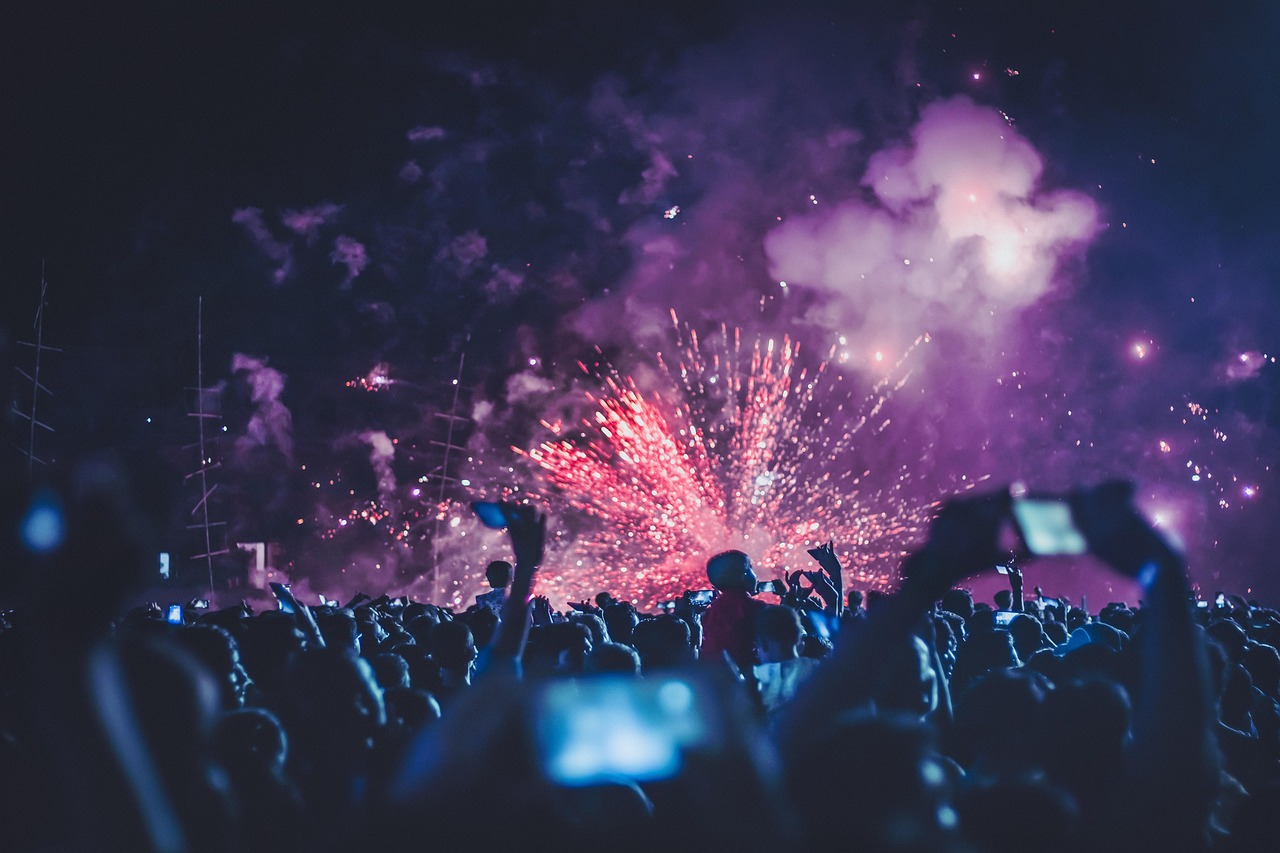
From the deafening roars in a stadium to the intricate theories woven across online forums, fan culture is a vibrant, dynamic force that transcends geographical boundaries and cultural differences. It’s more than just liking a band or following a team; it’s about deep emotional investment, shared identity, and powerful communal experiences. Fan culture, or fandom, represents the collective passion and dedication of enthusiasts who rally around a particular subject, be it a sports team, a musical artist, a fictional universe, or even a brand. This post will delve into the multifaceted world of fan culture, exploring its evolution, psychology, impact, and how to navigate its ever-growing landscape.
The Evolution of Fandom: From Niche to Global Phenomenon
Fan culture has undergone a remarkable transformation, evolving from localized, often niche gatherings to sprawling, interconnected global communities. Understanding this evolution is key to appreciating its current power and reach.
Early Fandom: Print and Conventions
- Zines and Newsletters: Before the internet, fans connected through self-published magazines (zines) and newsletters, sharing theories, fan fiction, and artwork. Science fiction and comic book fandoms were early pioneers.
- Physical Gatherings: Conventions, like Comic-Con or Star Trek conventions, provided vital spaces for fans to meet, discuss, cosplay, and celebrate their shared interests in person. These events fostered a strong sense of belonging and community.
- Limited Reach: These early forms of fandom were often limited by geography and access, making them exclusive clubs for dedicated enthusiasts.
Actionable Takeaway: Recognize the foundational elements of fan culture that prioritized shared passion and community building, even with limited tools.
Digital Revolution: Internet Forums and Social Media
- Online Forums and Message Boards: The advent of the internet democratized fandom. Forums dedicated to virtually any topic allowed fans to connect instantly, share information, and discuss endlessly, breaking down geographical barriers.
- The Rise of Social Media: Platforms like Twitter, Instagram, Reddit, and TikTok have revolutionized fan engagement. They offer direct access to creators, real-time discussions, and platforms for rapid content sharing (e.g., fan art, memes, theories).
- Global Reach and Accessibility: Social media has made fandom incredibly accessible, allowing individuals from diverse backgrounds to find their community and participate actively, often leading to rapid growth of smaller fandoms.
Actionable Takeaway: Leverage digital platforms to connect with like-minded individuals, understanding that social media is now the primary hub for real-time fan interaction and content dissemination.
Modern Fandom: Diversification and Accessibility
- Streaming Services: On-demand content has fueled new waves of fandom, allowing immediate binge-watching and shared viewing experiences that spark instant discussions.
- Gaming Communities: Esports and online gaming have cultivated massive, highly engaged fan bases, often with their own unique subcultures, terminology, and events.
- Intersectional Fandoms: Modern fan culture often overlaps with social justice movements, activism, and identity politics, showcasing its evolving role beyond pure entertainment.
Actionable Takeaway: Explore the diverse avenues of modern fandom, from gaming to streaming, to find where your passions align with active, engaging communities.
The Psychology Behind Fandom: Why We Join, Why We Stay
Delving into the psychological underpinnings of fan culture reveals a deep-seated human need for connection, identity, and meaning. Fandom isn’t just a hobby; it’s a significant part of many individuals’ lives.
Belonging and Identity
- Shared Experience: Fandom provides a powerful sense of belonging. Sharing a passion with others creates a common ground, fostering friendships and reducing feelings of isolation. This is especially true for those with niche interests.
- Identity Formation: For many, particularly during adolescence, fandom plays a crucial role in self-discovery and identity formation. Adopting a fan identity (e.g., a “Potterhead,” a “Trekker,” a “Swiftie”) provides a sense of self and community.
- Tribalism and Loyalty: Just like sports fans wear team jerseys, many fans derive a strong sense of loyalty and even “tribalism” from their chosen fandom, creating a strong us-vs-them mentality with rival groups, which can be both positive (unity) and negative (conflict).
Actionable Takeaway: Embrace fandom as a powerful tool for building personal identity and finding communities where you feel understood and valued.
Escapism and Emotional Investment
- Stress Relief and Joy: Engaging with beloved content provides a healthy form of escapism, offering a break from daily stressors and a source of pure joy and excitement.
- Emotional Connection: Fans often develop deep emotional connections to characters, narratives, artists, or athletes. These parasocial relationships can be incredibly fulfilling, providing comfort, inspiration, and empathy.
- Anticipation and Speculation: The anticipation of new content (e.g., a new season, album, or game release) and the collective speculation surrounding it are significant drivers of engagement and emotional investment, creating shared excitement.
Actionable Takeaway: Allow yourself to emotionally invest in fandoms that bring you joy and comfort, recognizing the mental health benefits of healthy escapism.
Creative Expression and Empowerment
- Fan-Created Content (Fanworks): Fandom inspires incredible creativity. Fans produce a vast array of fan fiction, fan art, cosplay, music videos, podcasts, and analytical essays, often expanding the original creators’ universes.
- Active Participation: Modern fandom empowers individuals to be more than just passive consumers. Through discussions, theories, polls, and even influencing creators via social media campaigns, fans actively shape the narrative and direction of their beloved content.
- Skill Development: Engaging in fan creation can lead to the development of real-world skills in writing, art, digital media, event planning, and community management.
Actionable Takeaway: Consider contributing your own creative talents to a fandom; it’s a fantastic way to deepen your engagement and connect with others.
Diverse Facets of Fan Culture: Beyond the Screen and Stage
Fan culture is not monolithic; it encompasses a vast array of interests, each with its own unique characteristics and modes of engagement. From roaring stadiums to quiet online archives, fandom thrives in countless forms.
Sports Fandom: Passion and Rivalry
- Team Loyalty: Sports fandom is perhaps the most visible and visceral form of fan culture, characterized by fierce loyalty to teams, cities, and athletes.
- Rituals and Traditions: From tailgating to specific chants, sports fans engage in rich traditions that strengthen community bonds and enhance the game-day experience.
- Economic Impact: The global sports industry is worth hundreds of billions, heavily driven by fan spending on tickets, merchandise, broadcasting subscriptions, and memorabilia.
Example: The “12th Man” tradition of the Seattle Seahawks, where fans create an intimidating noise level, is a prime example of fan collective action influencing game outcomes and team identity.
Actionable Takeaway: If you’re looking for an immediate and intense sense of community, immerse yourself in local sports fandom, where shared passion is often palpable.
Entertainment Fandom: Movies, TV, Music, Gaming
- Story-Driven Engagement: Fandoms around film, television, and literature thrive on narrative analysis, character development, and world-building discussions.
- Music Idolatry: Music fandom often revolves around intense personal connections to artists, attending concerts, collecting merchandise, and engaging in highly organized fan campaigns (e.g., streaming parties to boost chart performance).
- Interactive Gaming Communities: Video game fandoms combine competitive play, collaborative strategies, lore exploration, and often robust modding communities that extend game longevity.
Example: K-Pop fandoms (e.g., ARMY for BTS) are renowned for their highly organized, global efforts not only in promoting their idols but also in social activism and charitable giving.
Actionable Takeaway: Dive into entertainment fandoms that offer rich narratives or interactive experiences, finding communities that fuel your analytical or creative interests.
Niche Fandoms: Books, Hobbies, Brands
- Deep-Dive Expertise: Niche fandoms, such as those for specific book series, historical events, craft hobbies, or even particular consumer brands (e.g., Apple enthusiasts), often involve deep dives into specific details, history, and highly specialized knowledge.
- Curated Communities: These fandoms tend to have more tightly knit communities, where members share a profound, often obscure, interest.
- Brand Loyalty: For brands, a strong fan culture translates into unparalleled customer loyalty and organic marketing.
Example: The cult following for intricate board games like “Twilight Imperium” or a niche author often leads to dedicated wikis, strategy guides, and meet-ups, all fan-driven.
Actionable Takeaway: Don’t shy away from niche interests; they often lead to the most dedicated and supportive fan communities.
Fan Activism and Impact
- Social and Political Change: Fandoms can mobilize for social and political causes, using their collective power for good. This can range from charitable fundraising to advocating for diversity and representation in media.
- Influencing Creators: Fans have demonstrated their ability to influence creative decisions, from saving cancelled TV shows (e.g., #SaveManifest) to demanding changes in character portrayals.
Example: The #ReleaseTheSnyderCut movement by DC fans successfully campaigned for the release of an alternate version of “Justice League,” demonstrating significant fan power.
Actionable Takeaway: Recognize the potential for positive impact within fandom; use your collective voice for causes you believe in, both within and outside the fan object.
The Impact and Influence of Fan Communities
The collective power of fan culture extends far beyond online discussions; it has tangible effects on industries, economies, and social discourse. Businesses, creators, and even politicians are increasingly recognizing the formidable influence of engaged fan bases.
Driving Content Creation and Industry Trends
- Feedback Loop: Fans provide invaluable feedback to creators, often influencing future storylines, character development, or game features.
- Demand for Spin-offs and Sequels: The sustained passion of a fandom often dictates whether a franchise gets a sequel, a spin-off, or a reboot, directly impacting production decisions.
- Emerging Genres and Platforms: Fan creativity, particularly in fan fiction and fan art, can often predict or even inspire new trends in mainstream media. The rise of Webtoons, for example, shares DNA with early online fan comics.
Actionable Takeaway: Your engagement as a fan holds power; actively participate in feedback channels provided by creators to contribute to the content you love.
Economic Impact: Merchandise and Events
- Merchandise Sales: Fan communities drive massive sales of merchandise, from clothing and collectibles to art and digital goods, forming a significant revenue stream for creators and companies.
- Event Tourism: Major conventions, concerts, and sports events generate substantial economic activity for host cities through tourism, accommodation, and local spending.
- Creator Economy: The rise of platforms like Patreon and Etsy allows fans to directly support independent creators within their fandoms, fostering a vibrant creator economy.
Example: Comic-Con International in San Diego alone generates hundreds of millions of dollars in economic impact annually for the city, primarily from fan attendance and spending.
Actionable Takeaway: Support creators and franchises you care about through official merchandise and event attendance to help sustain their work and the broader industry.
Social and Cultural Influence
- Popular Culture Diffusion: Fandoms act as powerful vectors for spreading popular culture, memes, and linguistic trends, influencing broader society.
- Representation and Diversity: Fans often push for greater diversity and authentic representation in media, holding creators accountable and advocating for stories that reflect a wider range of experiences.
- Shaping Narratives: Through discussions and advocacy, fans can significantly influence the public perception and cultural legacy of a work, character, or artist.
Actionable Takeaway: Use your voice within fandoms to advocate for positive social change, such as better representation and more inclusive narratives.
Brand Loyalty and Advocacy
- Word-of-Mouth Marketing: Passionate fans are the most effective marketers. Their enthusiastic recommendations and organic sharing drive awareness and new engagement more genuinely than traditional advertising.
- Brand Ambassadors: Dedicated fans often become unofficial brand ambassadors, defending their chosen brand or creator, providing customer support to other fans, and generating positive buzz.
Example: Apple’s loyal customer base, often referred to as “fanboys,” actively defends the brand, lines up for new product releases, and acts as a powerful marketing force without direct company instruction.
Actionable Takeaway: If you represent a brand or creator, nurture your fan base; their loyalty is your most valuable asset.
Navigating Fandom: Challenges and Best Practices
While overwhelmingly positive, fan culture isn’t without its challenges. Understanding how to navigate its complexities ensures a more enriching and safer experience for everyone involved.
Toxicity and Gatekeeping
- Online Harassment: The anonymity of the internet can unfortunately foster environments of harassment, cyberbullying, and aggressive “shipping wars” or character debates.
- Gatekeeping: Some fans engage in “gatekeeping,” attempting to define who is a “true” fan based on arbitrary criteria (e.g., how long they’ve been a fan, how much merchandise they own), alienating newcomers.
- Spoiling and Leaking: Irresponsible sharing of spoilers or leaked content can ruin the experience for others and harm creators.
Actionable Takeaway: Be mindful of your online interactions; promote kindness and discourage gatekeeping to foster a welcoming environment.
Maintaining Healthy Boundaries
- Distinguishing Fiction from Reality: It’s crucial to remember that fictional characters and narratives are not real, and parasocial relationships with celebrities are one-sided.
- Time and Financial Management: Fandom can be immersive. It’s important to set healthy boundaries for time spent engaging and for financial expenditure on merchandise or events.
Actionable Takeaway: Prioritize your well-being; ensure fandom enhances, rather than detracts from, your real-world responsibilities and relationships.
Promoting Inclusivity and Positivity
- Welcoming Newcomers: Actively encourage and welcome new members, understanding that diverse perspectives enrich the community.
- Respectful Discourse: Engage in civil and respectful debates, even when opinions differ. Focus on constructive criticism rather than personal attacks.
- Reporting Harmful Behavior: Utilize reporting tools on platforms to address harassment, hate speech, and other harmful content.
Actionable Takeaway: Be an active proponent of positive and inclusive fan spaces. Your individual actions contribute to the overall health of the community.
Tips for Engaging with Fan Communities
- Find Your Niche: Explore different platforms (Reddit, Discord, Tumblr, Twitter) to find the community that best suits your preferred style of interaction.
- Start Small: Begin by lurking and observing the community’s norms before actively participating.
- Be Respectful: Always treat fellow fans, creators, and subjects of fandom with respect.
- Contribute Positively: Share your thoughts, art, or theories, but always aim to add value and foster positive discussion.
- Embrace the Fun: At its heart, fandom is about shared enjoyment. Let your passion shine!
Actionable Takeaway: Approach fandom with an open mind, a respectful attitude, and a willingness to contribute positively to create the best experience for yourself and others.
Conclusion
Fan culture is a testament to the enduring human desire for connection, meaning, and shared passion. It has evolved from isolated gatherings to a global, interconnected phenomenon that influences industries, shapes narratives, and empowers individuals. From the fervent loyalty of sports enthusiasts to the intricate creativity of online communities, fandom offers a powerful sense of belonging, an outlet for creative expression, and a platform for collective action.
While challenges like toxicity exist, the overwhelming power of fan communities lies in their ability to foster positive engagement, drive social impact, and enrich the lives of millions. By understanding its dynamics and adopting best practices for respectful engagement, we can all contribute to a vibrant, inclusive, and enduring fan culture that continues to shape our world in exciting and profound ways. So go forth, find your people, and let your passion shine!